 (Image source: Gemini)
 You’ve probably noticed that your morning routine looks a lot different than it did a few years ago. Maybe you’re reaching for a physical book instead of scrolling through a feed, or perhaps you’ve traded your loud, logo-heavy sneakers for something that doesn’t scream a brand name. These aren’t just random choices. They’re part of a massive shift in how we interact with the world. We’re living in a time where the "always-on" culture is finally hitting a wall. For a decade, we were told that more was better: more followers, more side hustles, and more digital noise. But as we move through 2026, the vibe has shifted. We’re moving away from performative living and toward something much more intentional. So what does this actually mean for your daily life? It means we’re finally prioritizing agency over algorithms.
The Rise of Slow Living as a Digital Antidote
Have you ever felt like you’re running a race that has no finish line? That’s the "hustle culture" burnout talking. In the post-pandemic years, we’ve seen a collective rejection of the idea that your worth is tied to your productivity. This has birthed the "slow living" movement, which is the digital equivalent of taking a deep breath after a long scream.
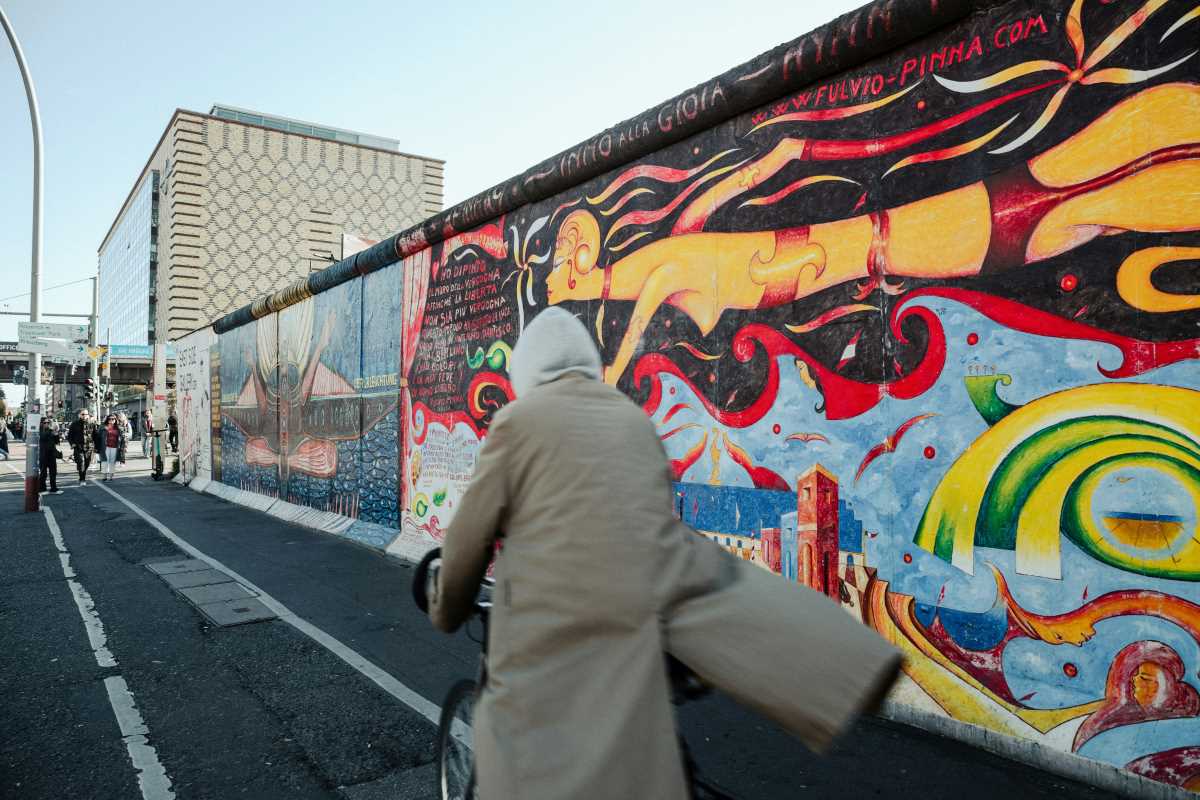
This trend has manifested in what many call "Quiet Luxury." It’s no longer about showing off how much money you have through giant logos. Instead, it’s about "intellectual luxury," where you value the craftsmanship and the story behind an item rather than its visibility. This market was valued at over $137 billion recently and is only growing as people seek longevity over trends.² It’s the same reason why "slow travel" is taking off. In 2025 and 2026, about 24% of travelers started choosing "destination dupes," like visiting Sardinia instead of the overcrowded Amalfi Coast, just to actually experience a place rather than just photograph it.⁹
- Intentional Presence: This is the shift from showing off your life to actually living it. It’s about being "in the room" rather than "in the feed."
- Quality Over Quantity: Whether it’s your clothes or your calendar, the goal is now to have fewer, better things.
Community Fragmentation and the Niche Social Experience
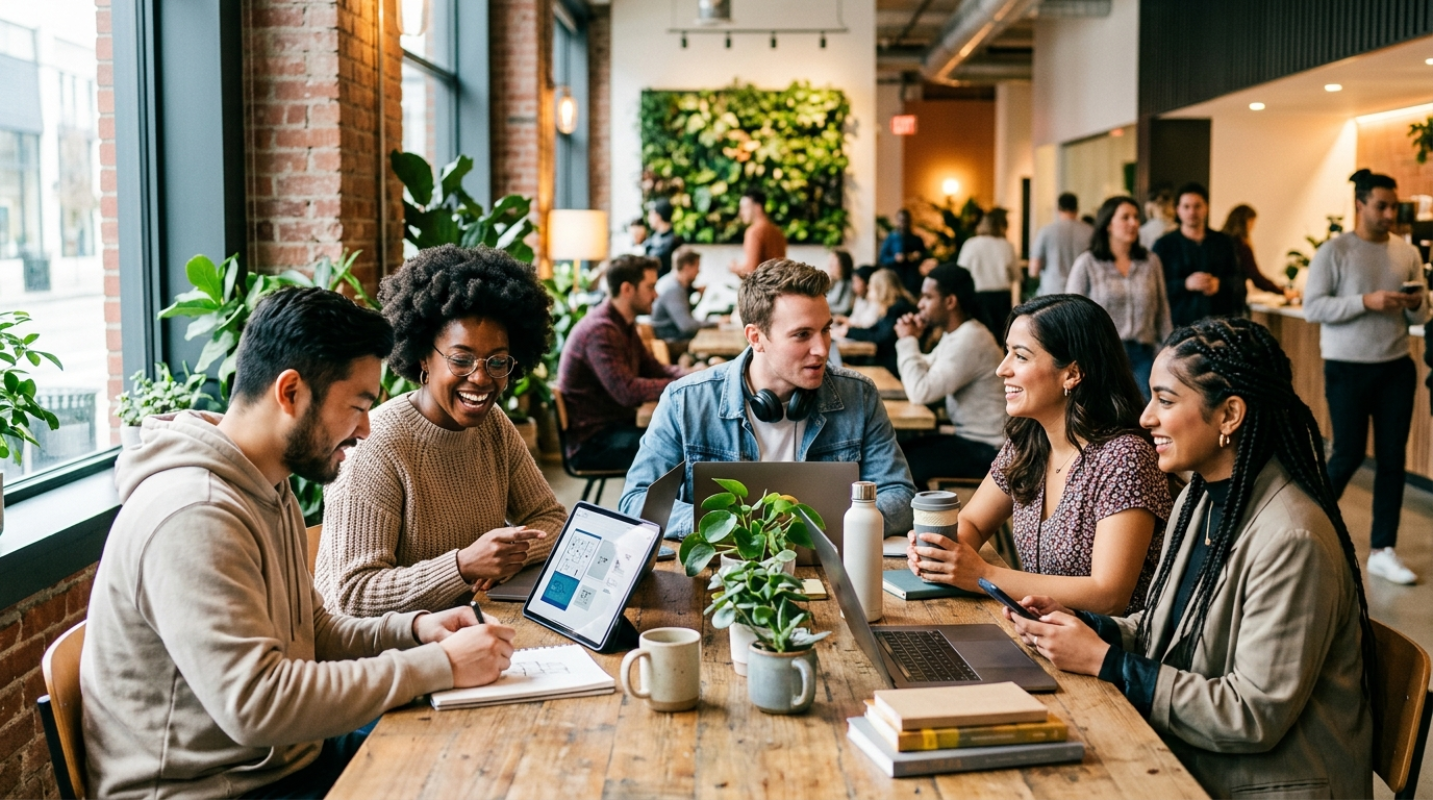
Remember when everyone was on the same three social media apps? Those days are fading fast. We’re seeing a massive move from broad, public platforms toward private, interest-based communities. Think of it like moving from a giant, noisy stadium to a small, cozy dinner party with people who actually share your weirdest hobbies.
This fragmentation is a direct response to the "loneliness epidemic" that has been making headlines. When everything is for everyone, it often feels like it’s for no one. By moving into micro-cultures, you’re able to build deeper connections. But there’s a catch. These "niche" experiences can sometimes turn into echo chambers where you only hear what you already believe. It’s a trade-off: you get more intimacy, but you might lose a bit of the "big picture" perspective.
Brands are catching on to this, too. They’re no longer trying to blast a message to millions. Instead, they’re building smaller, high-trust communities. It’s about building a "third place" that isn’t work and isn’t home, but a digital or physical space where you truly belong.
The Ethics of Consumption and Sustainability as a Social Status
If you’re still buying fast fashion just to wear it once, you might notice the social weather is getting a bit chilly. Sustainability has moved past being a "nice to do" and has become a core part of social status. But it’s not just about buying "green" products anymore. People are getting much better at spotting "greenwashing" and are demanding radical transparency.
We’re seeing the growth of the "circular economy," which is a fancy way of saying that thrifting, upcycling, and repairing are now cooler than buying new. When you repair an old jacket instead of tossing it, you’re showing that you value history and ethics over mindless consumption. In fact, many consumers are now willing to pay a premium of nearly 10% for products that actually align with their values.
- The Sustainability Premium: Consumers are voting with their wallets, often paying more for brands that can prove their ethical claims.
- Repair Culture: Fixing what you own is becoming a badge of honor, representing a rejection of the "throwaway" society.
AI Integration and Redefining Creativity
It’s impossible to talk about 2026 without mentioning AI. But the conversation has changed. It’s no longer "will a robot take my job?" and more "how can this tool help me be more human?" AI is becoming a career co-pilot, handling the boring, repetitive tasks so you can focus on the creative stuff.
This is especially true for Gen Alpha, the "AI-natives" born after 2010. To them, using AI to help write a story or organize a schedule is as natural as using a calculator was for previous generations. But this creates a new cultural debate: what is "authentic" anymore? If a machine helped you create it, is it still yours? We’re seeing a renewed value placed on things that are "human-made," with all their beautiful imperfections.
Modern Trends to Watch
If you're looking to align your lifestyle with these shifting values, here are a few ways to start.
- Social Wellness Hubs: Instead of meeting friends at a bar, try a "social sweat" club or a modern bathhouse. About 60% of Gen Z and Millennials are now opting for alcohol-free nights out, making these wellness spaces the new "third places."¹⁰
- Intentional Dating Apps: If you're tired of "situationships," look for platforms that encourage "Loud Looking," where users are required to state their intentions upfront. Statistics show that over 64% of people are now clearer about their needs from day one.¹
- The Four-Day Workweek: If you have the flexibility, look for roles or negotiate schedules that prioritize "work-life fit." Studies show that a healthy balance can actually boost your productivity by 21%.